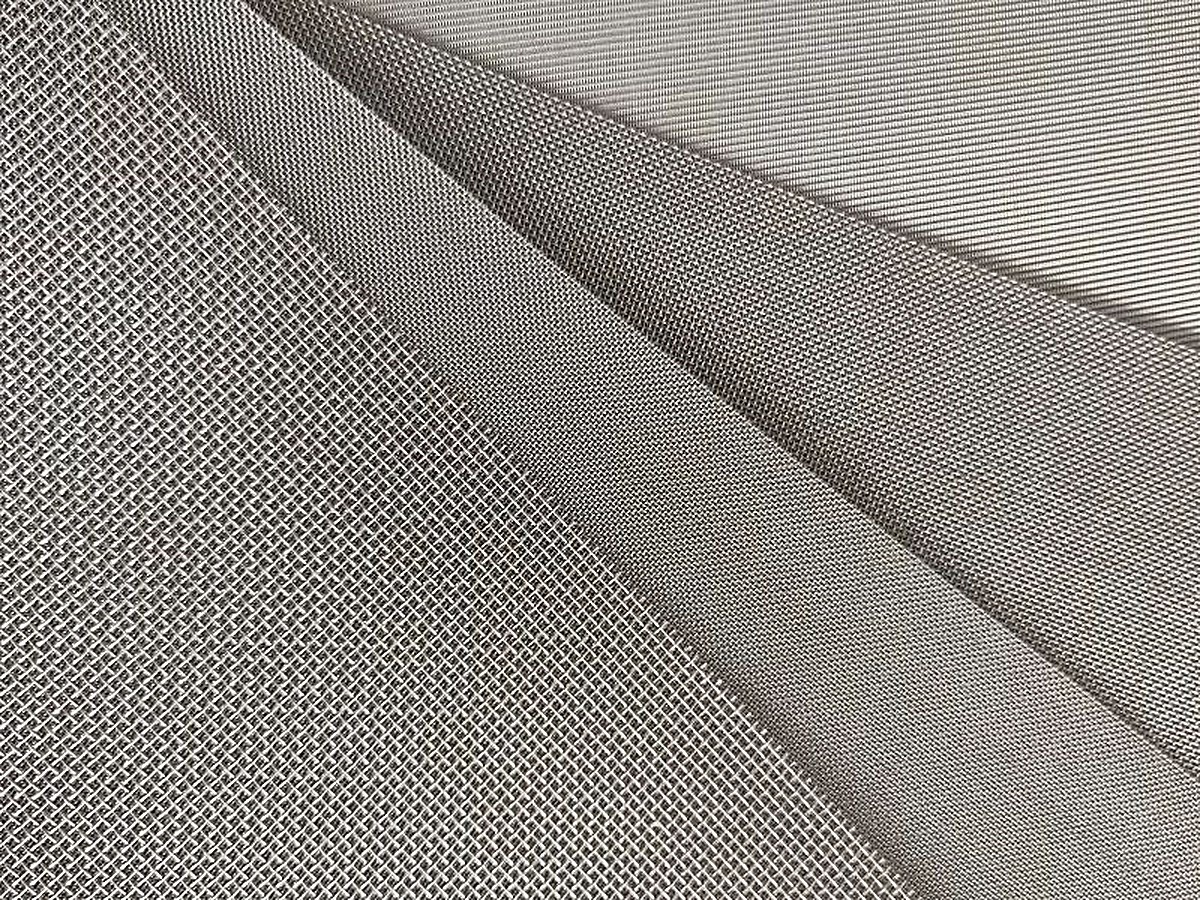
Windbreak & Dust Suppression Wall product photo

Wind and dust control

Windbreak & Dust Suppression Wall

A porous screen reduces wind speed rather than blocking it completely. That is what allows dust to settle instead of being lifted, and it is why the shade rate of the mesh matters more than its strength.

›Shade rate: 30%–95%
›Height: 1–12 m
›Material: HDPE flexible mesh or perforated metal panels
›Dust suppression efficiency: typically 65%–80%
›Roll width: 1–6 m
›System: mesh, posts, cables and clamps

Also known as: Dust suppression net · Wind screen · Stockpile wind fence · Dust wall mesh

Specification Parameters

Typical range. Final dimensions, coating mass and tolerances are confirmed on the order drawing.

Shade rate 30%–95%, selected according to the wind and dust conditions
Wall height 1–12 m in the standard range
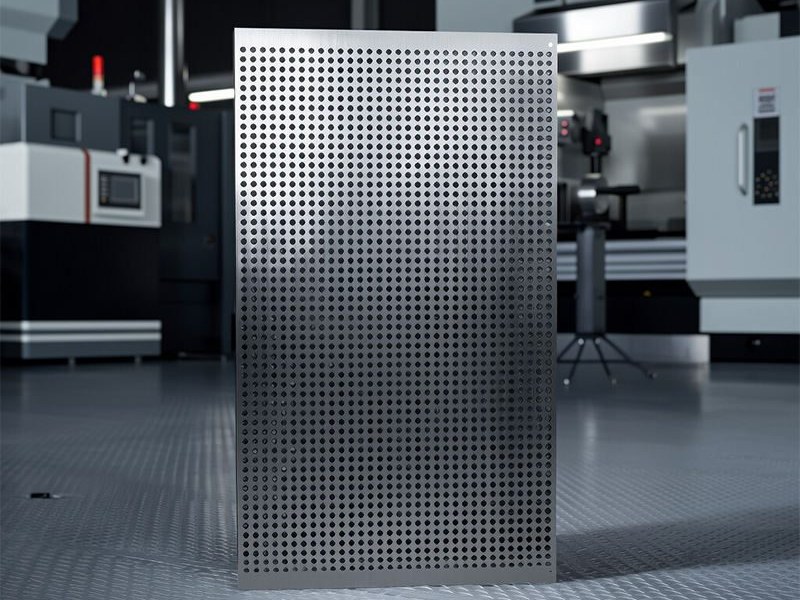
Mesh material HDPE flexible mesh, or perforated metal panels for rigid walls
Dust suppression Typically 65%–80% depending on the shade rate and the site layout
Roll width 1–6 m
Colour Green, black, grey or a project colour
Support system Steel posts, cables, clamps and foundations designed for the wind load
Note Shade rate, height and spacing are set by the wind study, not by a catalogue default

Product Photos

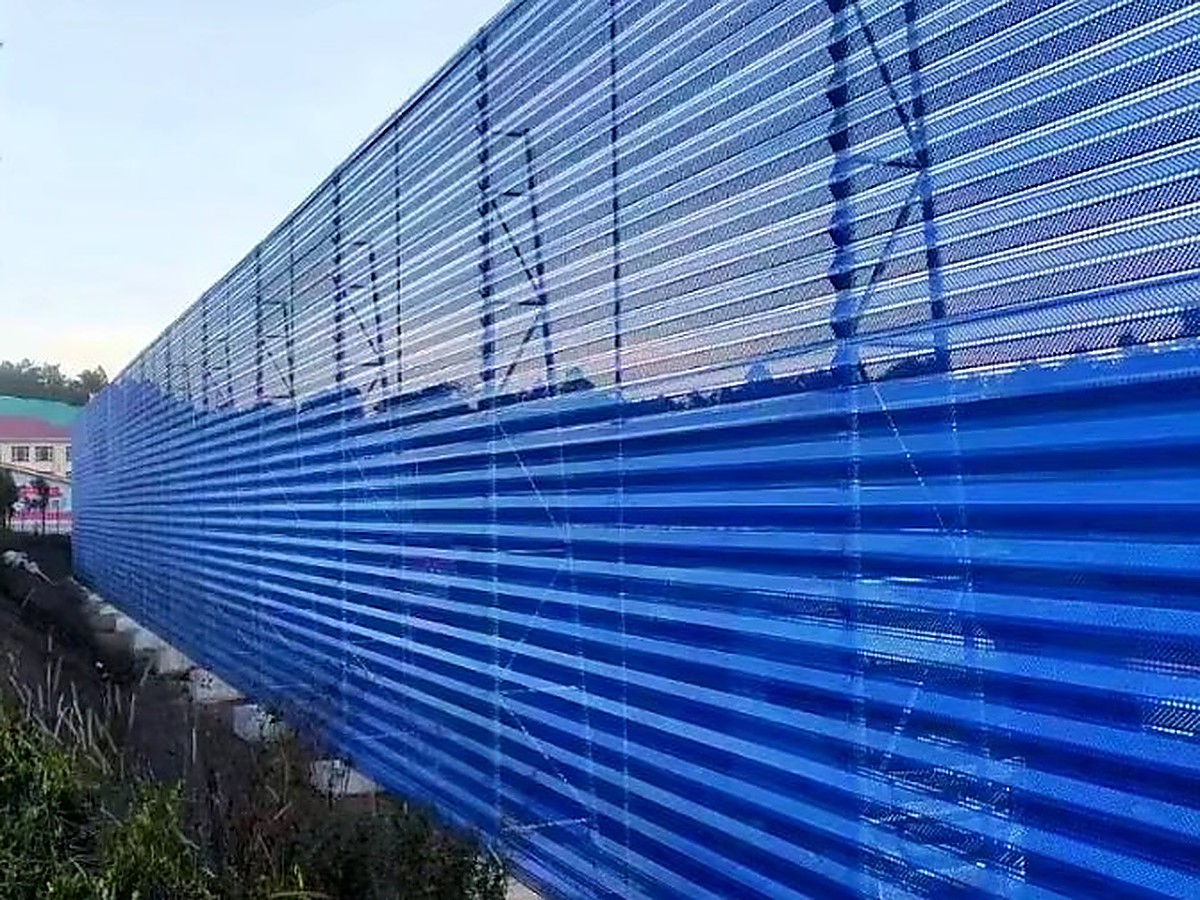
Windbreak & Dust Suppression Wall detail

Materials & Coating Options

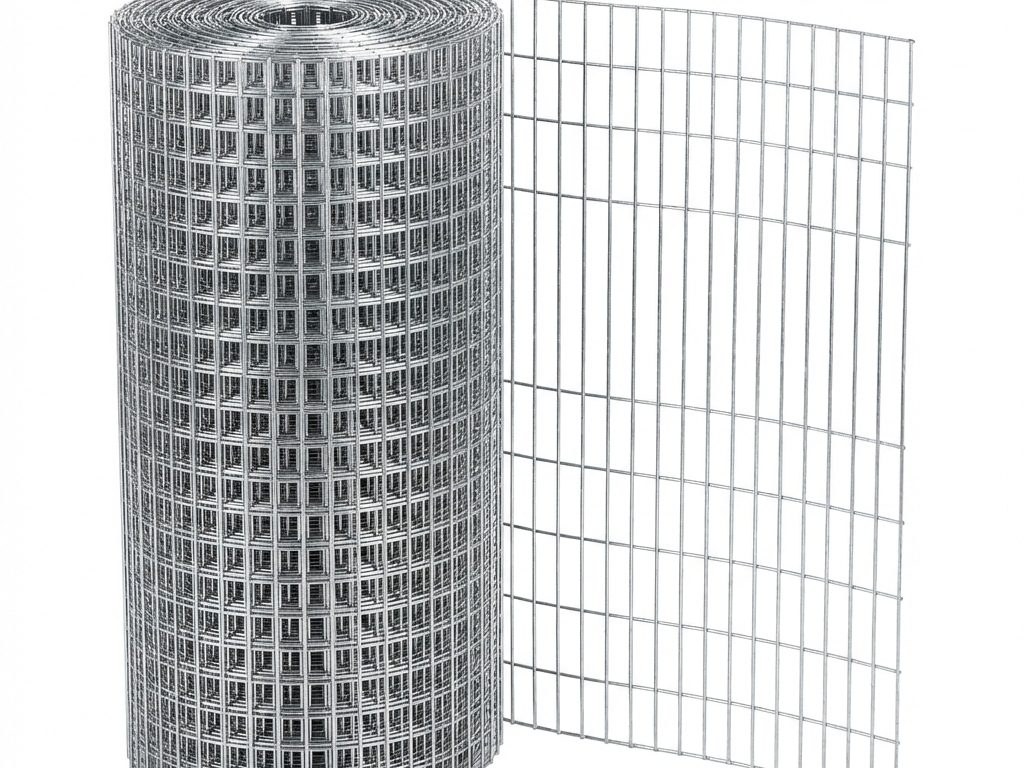
HDPE mesh Flexible, UV stabilised, supplied in rolls
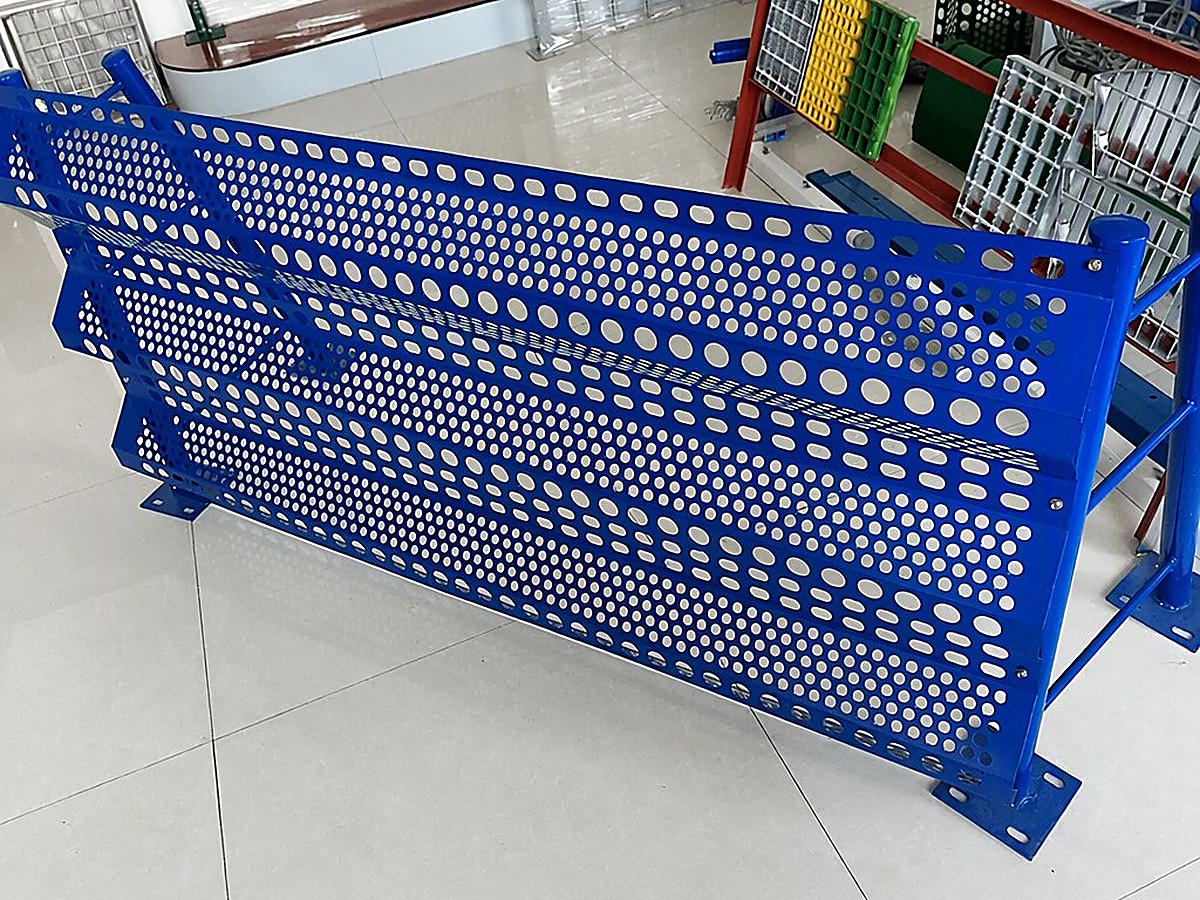
Perforated metal panels Rigid option for high or exposed walls
Posts and cables Steel posts, perimeter cables and clamps
Fixings Clamps, tensioners and foundation connections

Typical Applications

Mine stockpiles

Typical configuration

H 6–12 m, shade rate from the dust study

Reduces wind speed across the pile face.

Ports and coal yards

Typical configuration

H 8–12 m, coastal coating specification

Corrosion protection matters on coastal sites.

Construction sites

Typical configuration

H 3–6 m, relocatable system

Temporary screens that can be moved between phases.

Agricultural and light industrial

Typical configuration

H 1–4 m, lower shade rate

Wind reduction for crop, livestock or storage areas.

Frequently Asked Questions

Why is a porous screen better than a solid wall for dust control?

A solid wall forces the wind up and over, which increases speed at the top and creates strong eddies behind it. A porous screen reduces the wind speed as it passes through, so dust is less likely to be lifted in the first place.
How does shade rate affect performance?

Shade rate is the proportion of the screen that is solid. A low shade rate lets more wind through with less reduction per unit; a high shade rate reduces wind speed more but increases the load on the posts and can create turbulence. The optimum depends on the wind climate and the material being protected.

What information is needed to design a windbreak?

The site location and prevailing wind direction, the height and length of the wall, the material to be protected, the local wind speed and the ground conditions for the foundations. These determine the shade rate, post spacing and foundation size.

Related Products

Planning dust control?

Send the site location, wall height and length, the material being protected and the local wind conditions.

Send Your Requirement