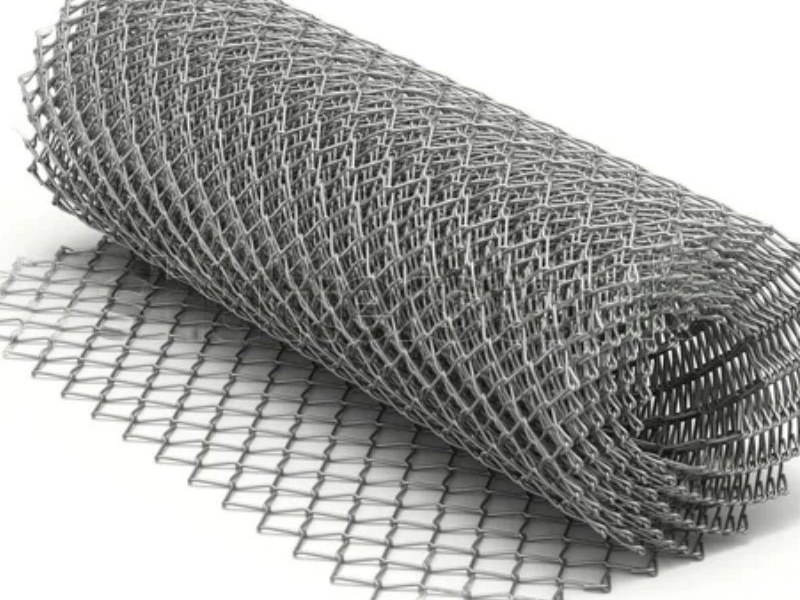
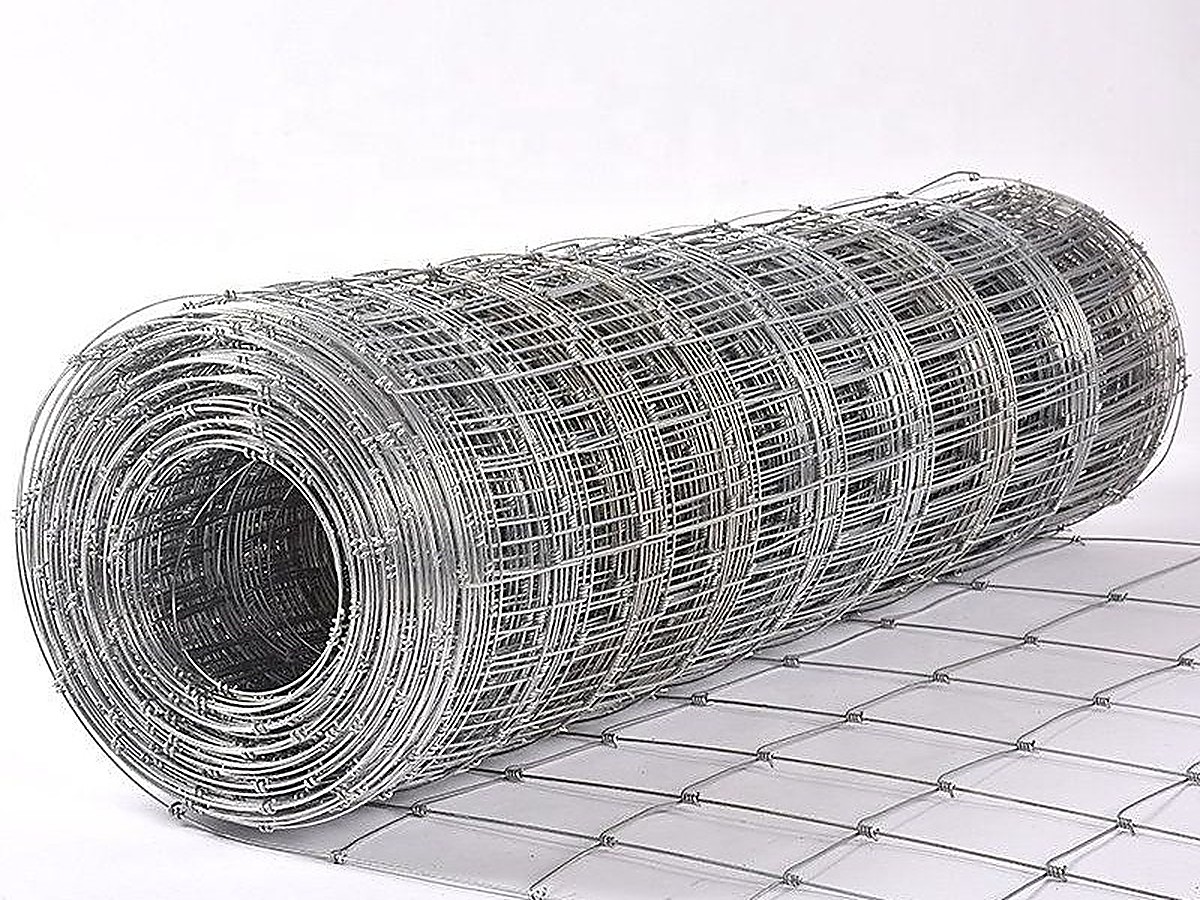
Slope Protection & Rockfall Barrier product photo

Slope stabilisation

Slope Protection & Rockfall Barrier Systems

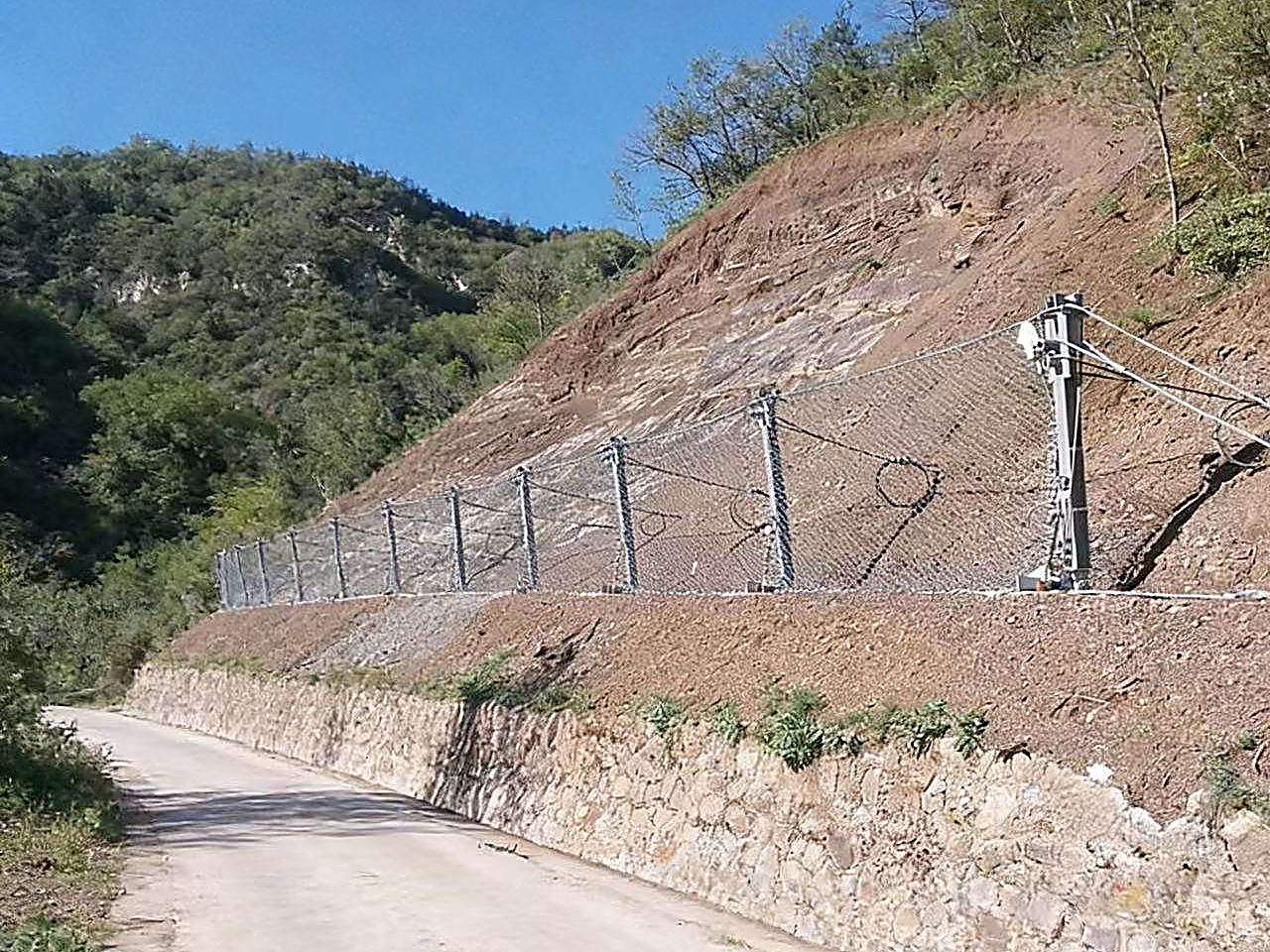
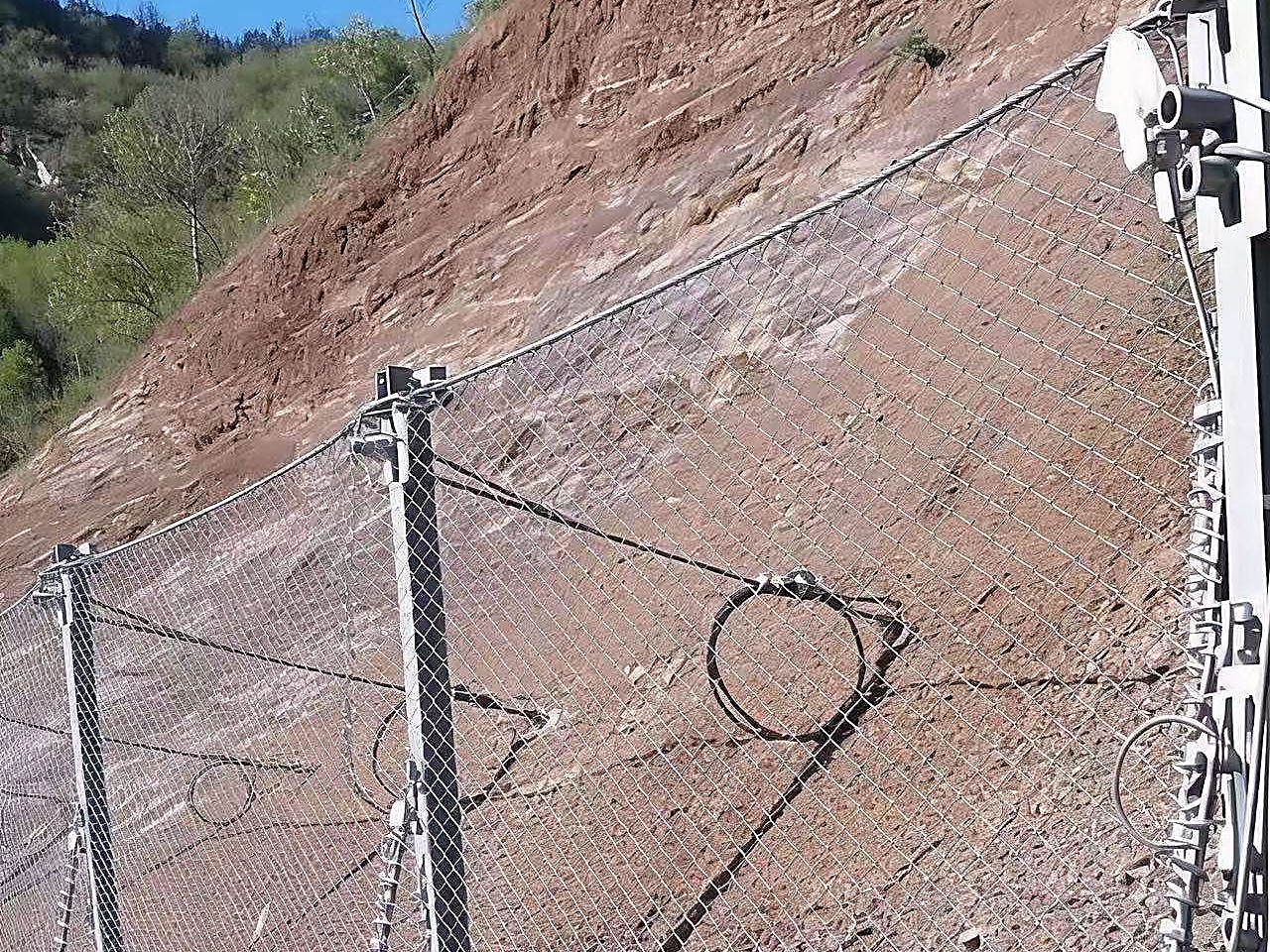
Slope protection is divided by how the material is controlled. Active systems hold the slope surface in place with nets anchored into the rock or soil. Passive systems stand at the base of the slope and catch material that has already detached. The two are frequently combined on one slope, and both are supplied as complete kits: net, ropes, anchors, posts and energy dissipaters.

›System: active (anchored to the slope face)
›Mesh aperture: 300×300 mm diamond or ring net
›Perimeter rope: 12–16 mm; main rope: 8 mm
›Mesh: high-strength steel wire rope net
›Components: hot-dip galvanized
›Layout designed from the slope survey

Also known as: Active net · Slope netting · Rock face net · Slope stabilisation mesh

Active & Passive Systems

Active and passive systems solve different problems on the same slope and are commonly combined. Both are configured from the site design and supplied as complete kits.

Active Slope Protection

Flexible Slope Protection / Active Net

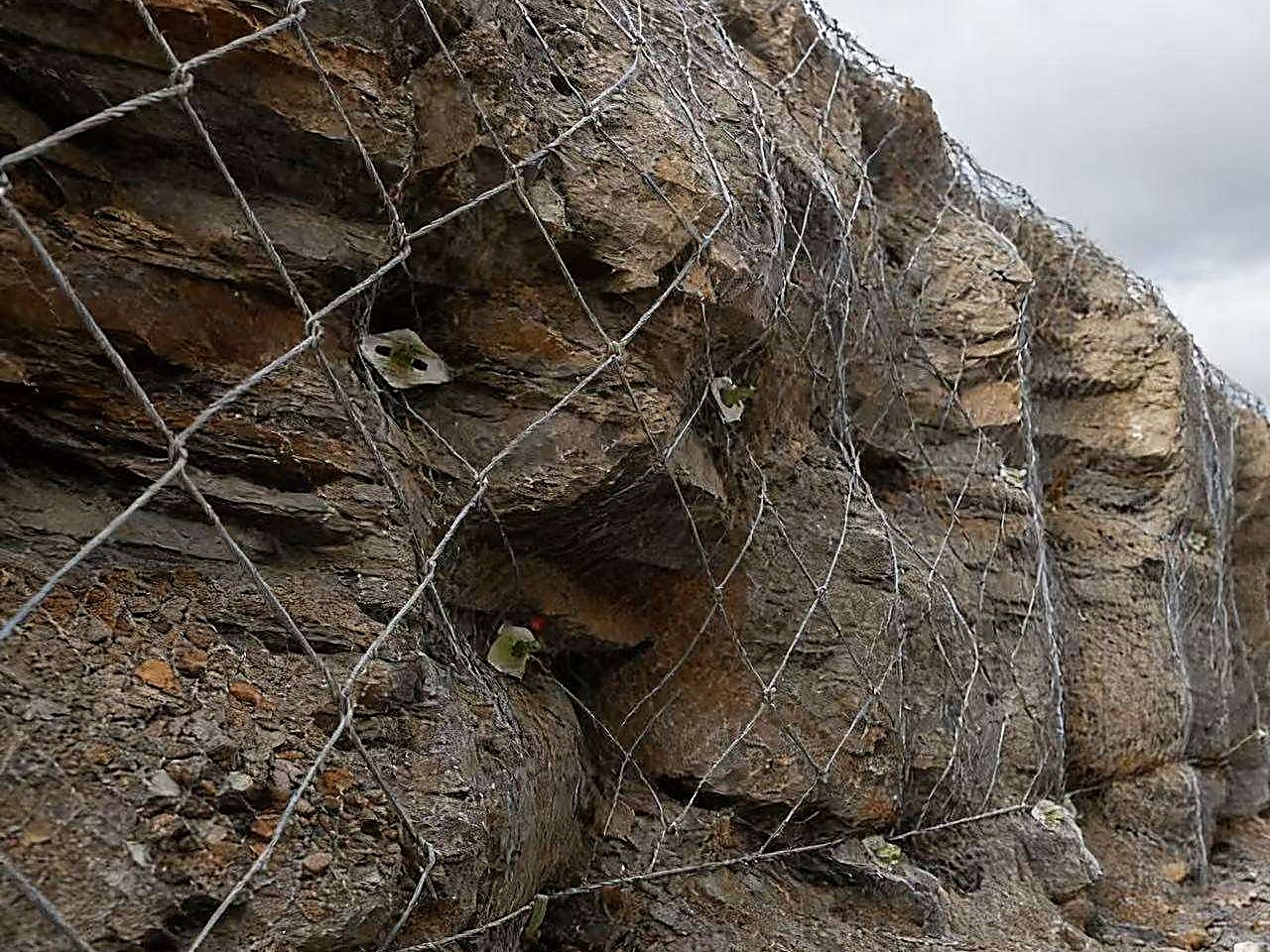
Flexible net laid over the slope face and anchored, holding loose material in place.

Also known as: Active net · Slope netting · Rock face net · Slope stabilisation mesh
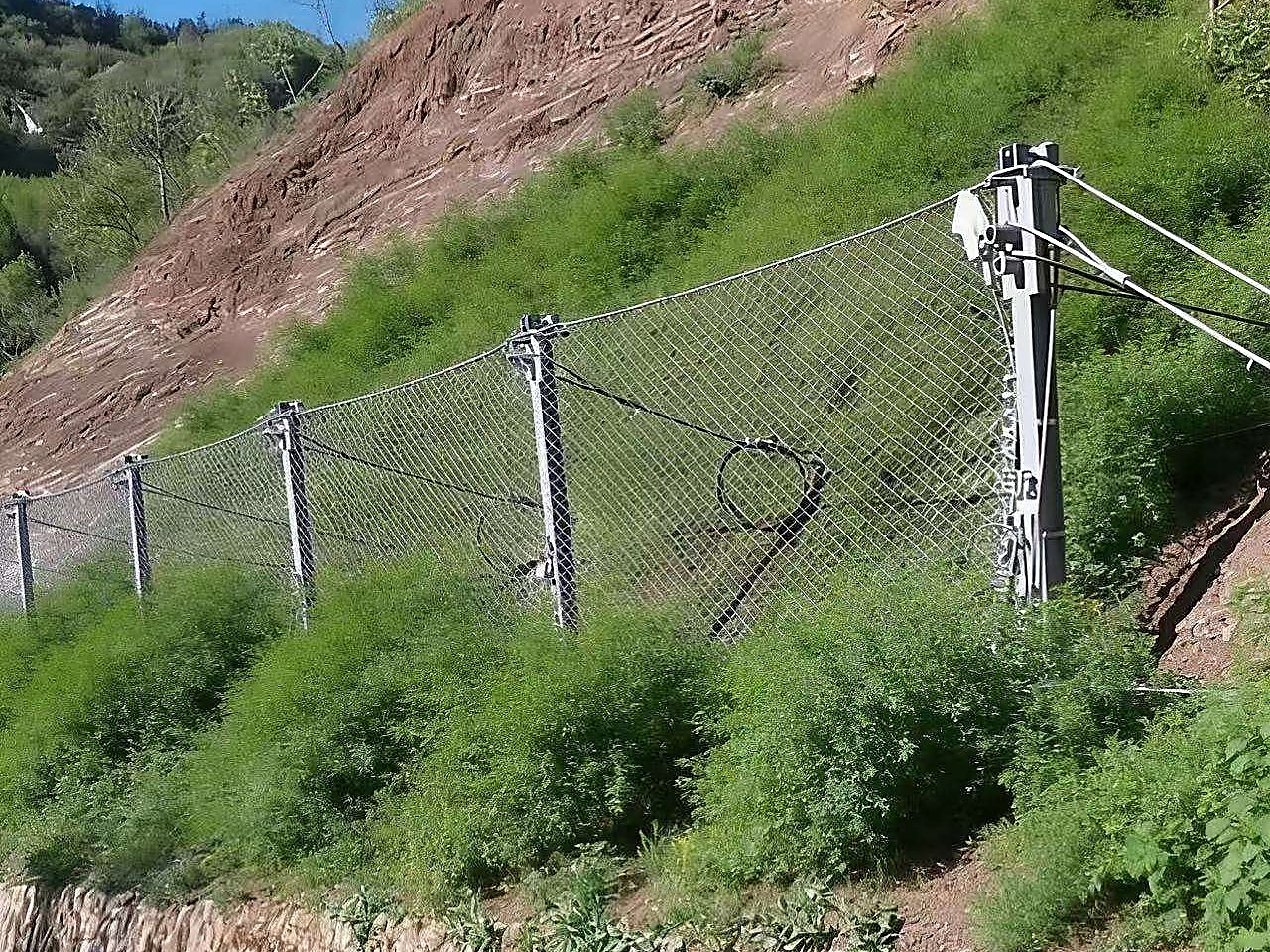
A flexible net laid over the slope face and anchored into stable ground behind it. Because the net is held against the slope, loose material is contained rather than allowed to move, so this is called an active system.

Specification

System type Active system, anchored against the slope face; passive barriers are a separate product
Mesh type Steel wire rope net or high-strength ring net
Mesh aperture 300×300 mm typical; other sizes according to the design
Rope diameters Main rope 8 mm; support and perimeter rope 12–16 mm
Anchors Sized to the geological conditions and the required pull-out resistance
Finish Hot-dip galvanized or zinc-aluminium alloy coated components
Design basis Anchor layout, rope size and mesh are set from the slope survey and stability analysis

Product Photos

Slope Protection & Rockfall Barrier detail

Materials & Coating Options

Mesh High-strength steel wire rope net or ring net
Ropes Perimeter, support and cross ropes in galvanized steel
Anchors Grouted or mechanical anchors sized to the ground conditions
Coating Hot-dip galvanized or zinc-aluminium alloy for long service life

Typical Applications

Highway cuttings

Typical configuration

Active net with anchors on rock faces

Controls small rock falls onto the carriageway.

Railway slopes

Typical configuration

Active net plus local scaling where required

Protects the track from loose material on the slope.

Highway protection

Typical configuration

Energy class by rockfall study, H 3–6 m

Placed between the slope and the carriageway.

Railway corridors

Typical configuration

Barrier with restricted deflection

Deflection must be limited where clearance is tight.

Frequently Asked Questions

What is the difference between an active and a passive system?

An active system is laid against the slope and anchored, so it holds the surface material in place. A passive system is a barrier erected away from the slope that catches material after it has fallen. They are often used together on the same slope.

What does the energy rating mean?

It is the impact energy the barrier is designed to absorb, expressed in kilojoules. The rating comes from a rockfall study that models the likely block sizes, the fall height and the trajectory, and it cannot be estimated from the barrier height alone.

Can active and passive systems be combined?

Yes, and they often are: the active net stabilises the slope face while a passive barrier at the toe protects the road or structure below from anything that still breaks loose. Both are designed from the same site survey.

Related Products

Working on a slope stabilization project?

Send the slope survey or design, the rock size class and the protection level. We will kit the active net, passive barrier or both to the design.

Send Your Requirement