What determines the load capacity of grating?
The bearing bar depth, bar thickness, bar pitch and the distance between supports. Longer unsupported spans require deeper bars. A load check is always needed for the specific span and duty.
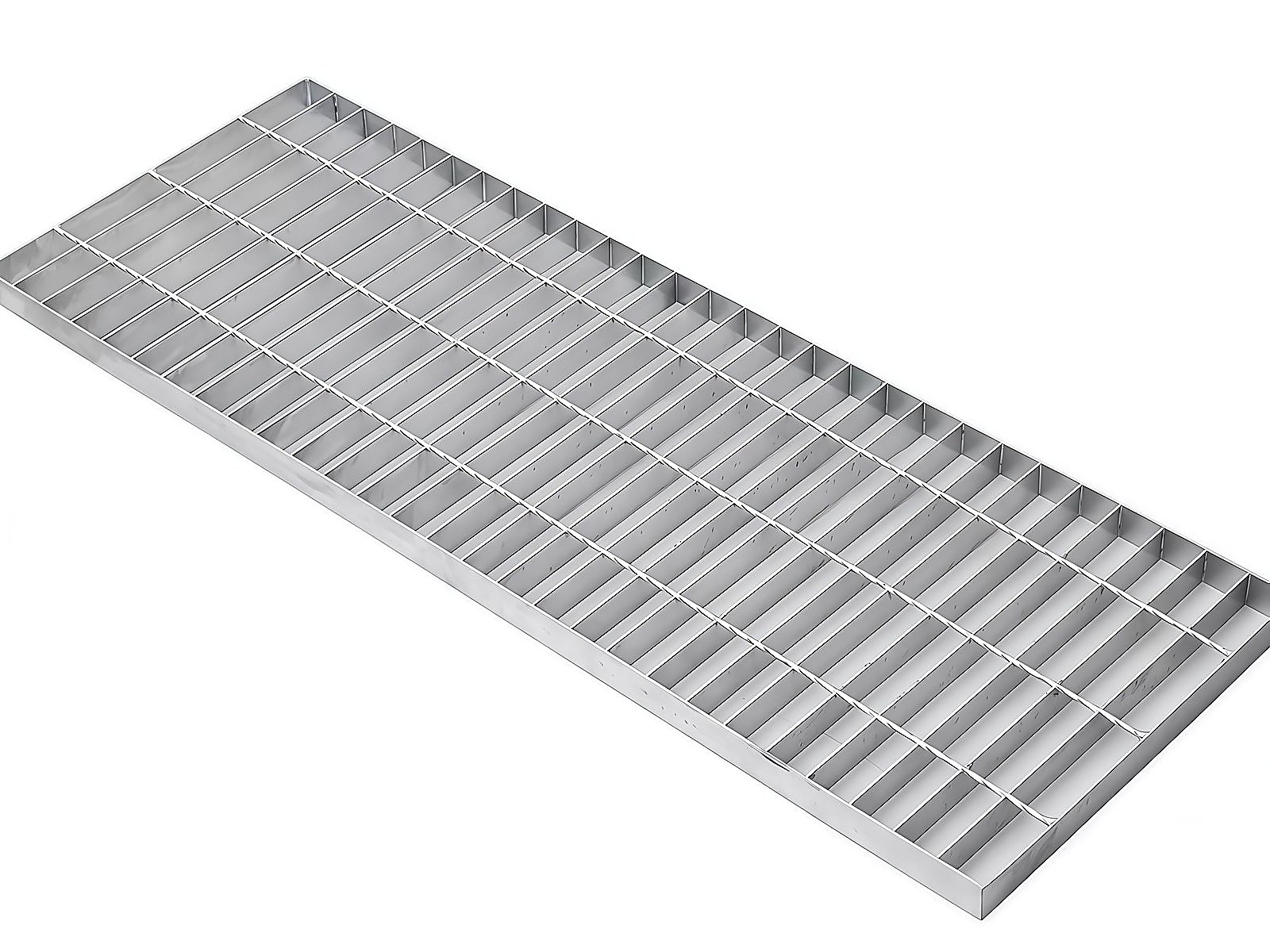
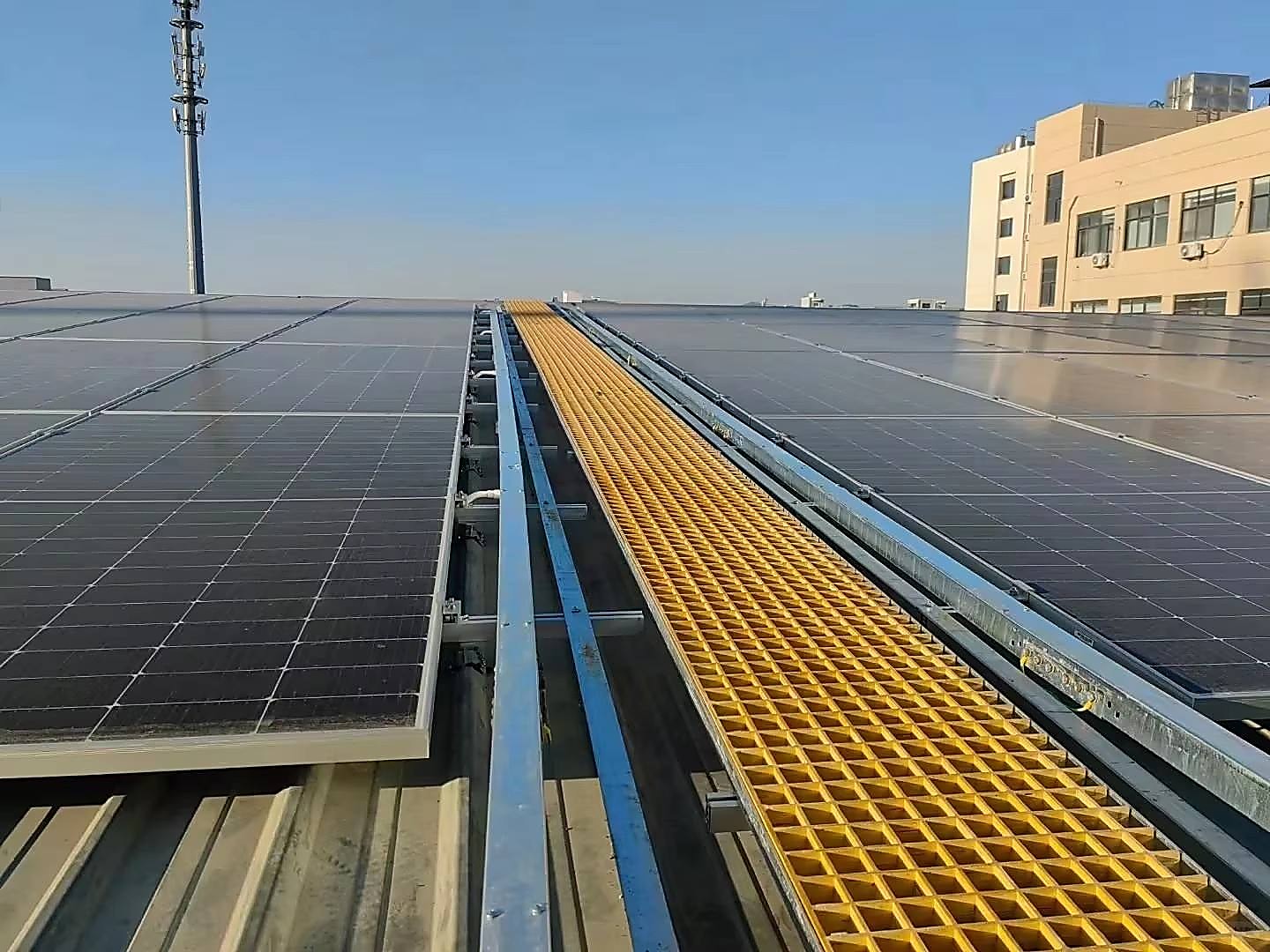
Load-bearing platform surfaces
Bearing bars set on edge and locked together with cross bars. Because the load is carried on the depth of the bar rather than its width, grating gives a high load capacity with a low weight and free drainage.
Also known as: Bar grating · Platform grating · Walkway grating · Drain cover grating
Typical range. Final dimensions, coating mass and tolerances are confirmed on the order drawing.
| Bearing bar pitch | 30 mm (fine), 40 mm (standard), 60 mm (coarse) |
|---|---|
| Bearing bar size | 25×3 mm up to 100×8 mm |
| Grating type | Welded, pressed or swage-locked |
| Bearing bar face | Plain, or serrated for slip resistance |
| Cross bar pitch | 50 mm, 76 mm, 100 mm or to order |
| Material | Mild steel, galvanized steel or stainless steel |
| Standards referenced | YB/T 4001.1, ANSI/NAAMM MBG 531, BS 4592 — stated when formally specified |
| Fabrication | Cut-outs, banding, frames, stair treads and nosings |
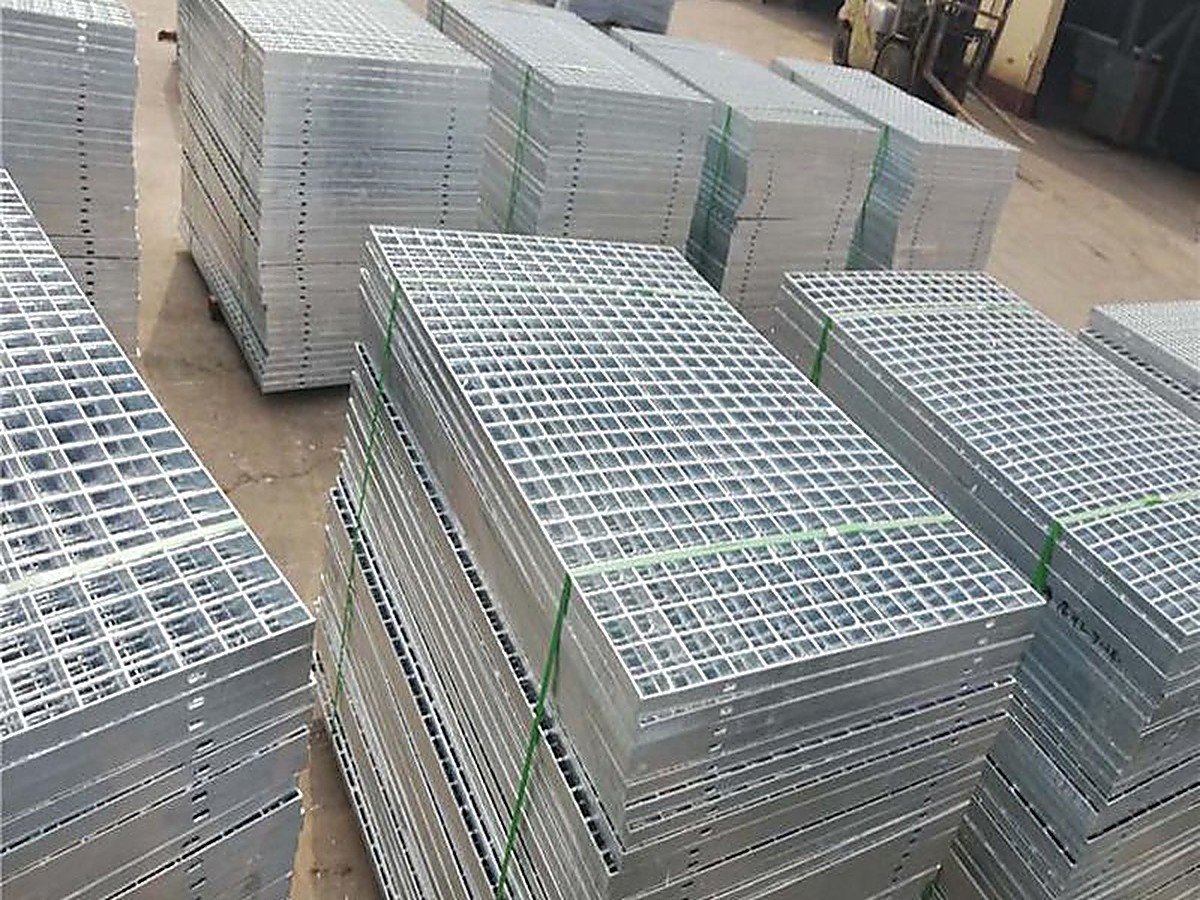
| Finish | Hot-dip galvanized, painted or mill finish |
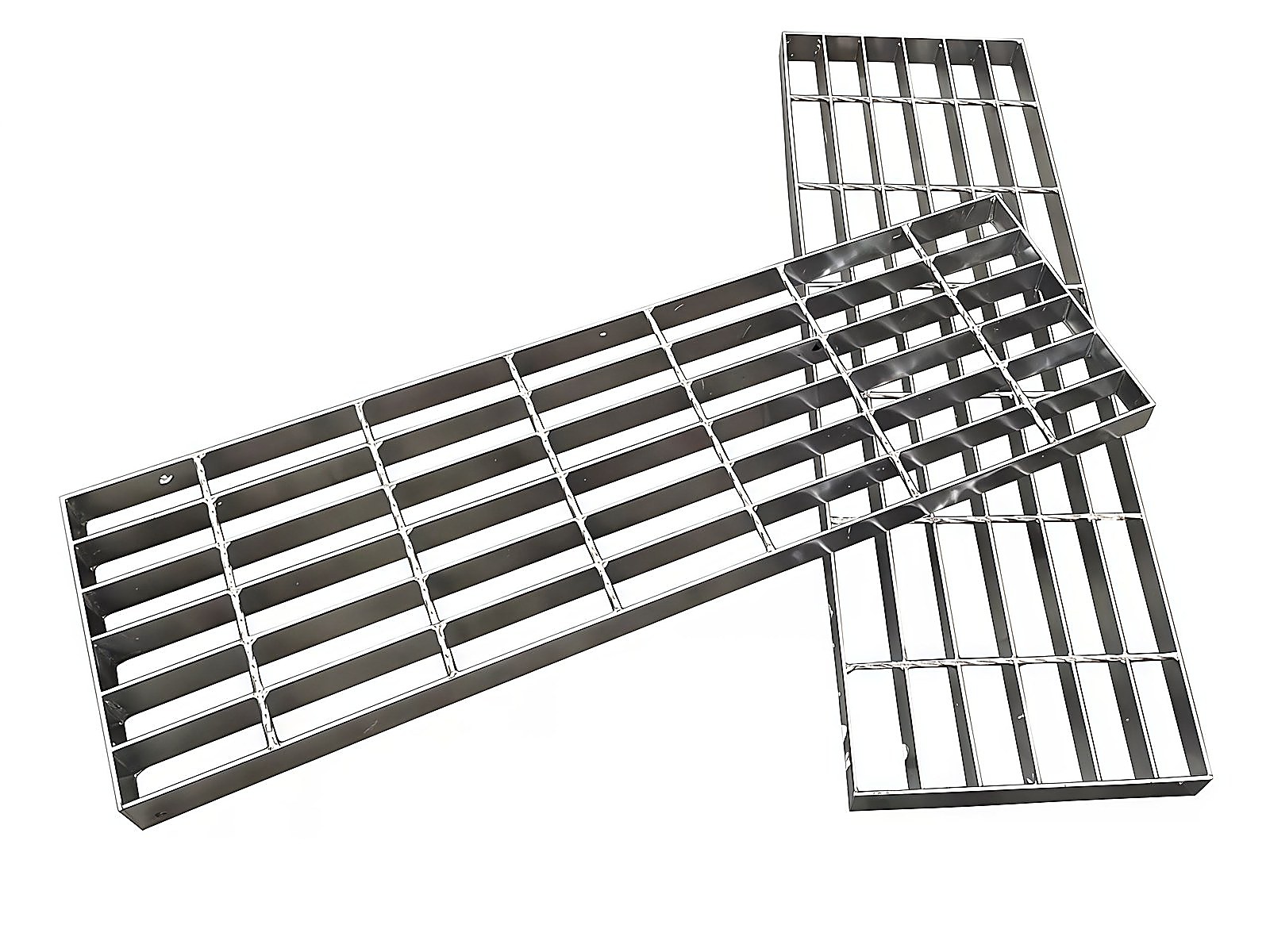
| Bearing bars | Mild steel flat bar in the sizes listed above |
|---|---|
| Cross bars | Twisted square bar or round bar, locked to the bearing bars |
| Finish | Hot-dip galvanized (standard), painted, or mill finish |
| Fabrication | Banded edges, cut-outs, frames, stair treads and nosing |
Typical configuration
40 mm pitch, 40×5 mm bar, galvanized
Standard duty flooring with free drainage.
Typical configuration
Serrated bearing bar face
Slip resistance where surfaces may be wet or oily.
Typical configuration
Fine pitch, framed panels
Fine pitch limits what can fall through the cover.
Typical configuration
Serrated, with nosing and side plates
Pre-fabricated treads reduce site work.
The bearing bar depth, bar thickness, bar pitch and the distance between supports. Longer unsupported spans require deeper bars. A load check is always needed for the specific span and duty.
Plain bars suit dry, clean areas and are easier to clean. Serrated bars give noticeably better grip where surfaces may be wet, oily or dusty, and are normally specified for external walkways.
Welded grating has the cross bars welded to the bearing bars, giving a strong rigid panel. Swage-locked grating presses the cross bars into notches in the bearing bars, which avoids welding and is common for stainless steel. Pressed grating uses a similar interference method.
Send the span, duty, panel sizes and any cut-out positions so we can confirm the bearing bar size and pitch.
Send Your Requirement