Field Fence product photo

Agricultural fencing

Field Fence / Farm Fence

Horizontal wires joined by hinge joints, with the vertical stay spacing graduated so the openings are smallest near the ground. That graduation is what keeps small animals in, while the upper wires contain larger stock. Rolls are woven on automatic fence looms in Anping, China and exported wholesale to farm suppliers and importers in container loads.

›Line wires: 5–13 horizontal wires, graduated spacing
›Wire diameter: 1.8–2.5 mm high-tensile
›Roll height: 800–2,400 mm
›Knot type: hinge joint or fixed knot
›Galvanizing: Class 1 standard / Class 3 heavy ≥245 g/m²
›Roll length: 50 m, 100 m or cut to order

Also known as: Farm fence · Hinge joint fence · Hinge joint mesh fence · Stock fence · Grassland fence · Cattle fence · Woven field fence

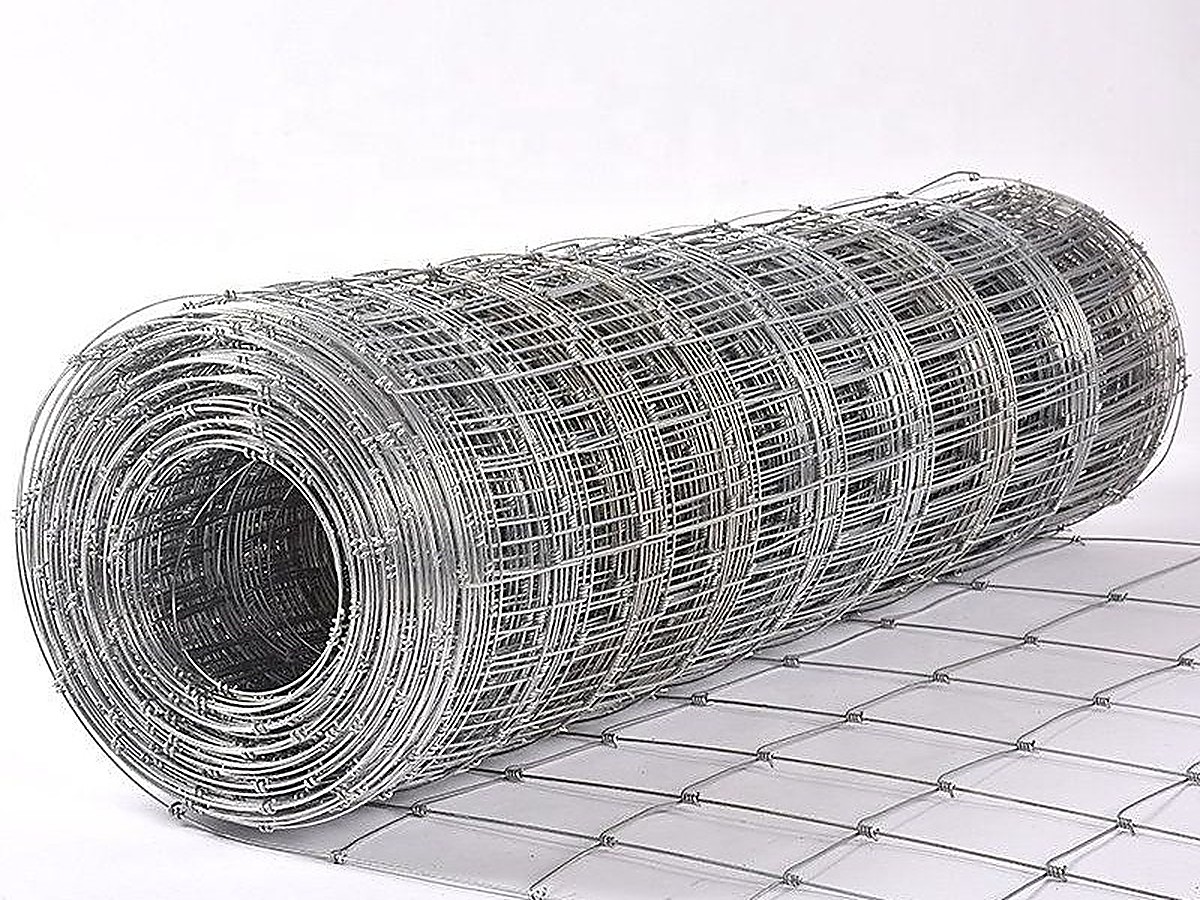
Specification Parameters

Typical range. Final dimensions, coating mass and tolerances are confirmed on the order drawing.

Line wires 5 to 13 horizontal wires; the count rises with the height and the stock type
Vertical stays Spacing 150–300 mm, graduated so the lowest openings are the smallest
Wire diameter 1.8–2.5 mm high-tensile wire, typically 1,200–1,400 MPa
Roll height 800 / 1,000 / 1,200 / 1,500 / 1,800 / 2,400 mm
Knot type Hinge joint (flexible, standard) or fixed knot (rigid, for deer and heavy pressure)
Galvanizing Class 1 standard coating, or Class 3 heavy galvanized ≥245 g/m² for long life
Roll length 50 m, 100 m or cut to the project requirement
Packing Waterproof wrapped rolls, loaded for container shipment

Product Detail

Field Fence installation detail

What this detail shows

Need this fixing arrangement matched to your layout? Send the drawing and we will confirm the components.

Ask About Fixings

Materials & Coating Options

Wire High-tensile galvanized steel wire, 1.8–2.5 mm
Galvanizing Class 1 standard or Class 3 heavy ≥245 g/m²
Knot type Hinge joint for flexibility; fixed knot for rigidity and heavy loading
Posts Steel Y posts, timber posts or angle posts depending on the application

Typical Applications

Cattle and sheep farms

Typical configuration

H 1,000–1,200 mm, 8–11 line wires, Class 3

Graduated spacing contains both large and small stock.

Horse paddocks

Typical configuration

H 1,200–1,500 mm, closer stays, visible top rail

A rigid top reduces the risk of injury to animals.

Wildlife and deer boundaries

Typical configuration

H 1,800–2,400 mm, fixed knot

Fixed knots resist the pressure of animals pushing against the fence.

Rural and roadside plots

Typical configuration

H 800–1,200 mm, standard galvanizing

Straightforward boundary definition along field edges.

Frequently Asked Questions

What is the difference between hinge joint and fixed knot?

A hinge joint allows the horizontal wires to move slightly relative to the stays, so the fence flexes and recovers when an animal pushes it. A fixed knot locks every crossing point, making the fence much more rigid and better able to resist sustained pressure and impact.

Why is the mesh spacing graduated?

Small animals such as lambs can pass through an opening that a cow cannot. Making the lowest openings the smallest means one fence can contain both, which is why nearly all field fencing is graduated.

Which galvanizing class should I choose?

Class 1 is adequate for standard agricultural use in moderate conditions. Class 3 heavy galvanizing should be specified where the fence must last a long time, in coastal or wet conditions, or where re-fencing would be costly.

How many line wires do I need?

It depends on the stock. Around 8 to 10 line wires at 1,000 to 1,200 mm covers most cattle and sheep applications. Height and wire count rise together for horses, deer and taller boundaries.

Can it be installed on undulating ground?

Yes, this is one of its advantages. The hinge joints let the roll follow the ground contour, so the fence does not need the ground to be levelled first. Corner and end assemblies must still be properly braced.

Can I import field fence wholesale from China?

Yes. Field fence is a roll product, so different heights, knot types and coating classes are routinely consolidated into one container, and posts and accessories travel in the same shipment. Send the mix you need and we will confirm the loading plan with the quotation.

Is ASTM A116 relevant when ordering field fence?

ASTM A116 is the North American reference for zinc-coated woven wire fence fabric, so it is the right anchor when US or Canadian projects need a compliance statement. For other markets the coating class and wire grade can be specified directly. State the market on the enquiry and the requirement is written into the quotation.

Related Products

Need the right farm fence?

Tell us the stock being contained, the total fence length, the terrain and the required service life so we can specify the wire count and coating class.

Send Your Requirement