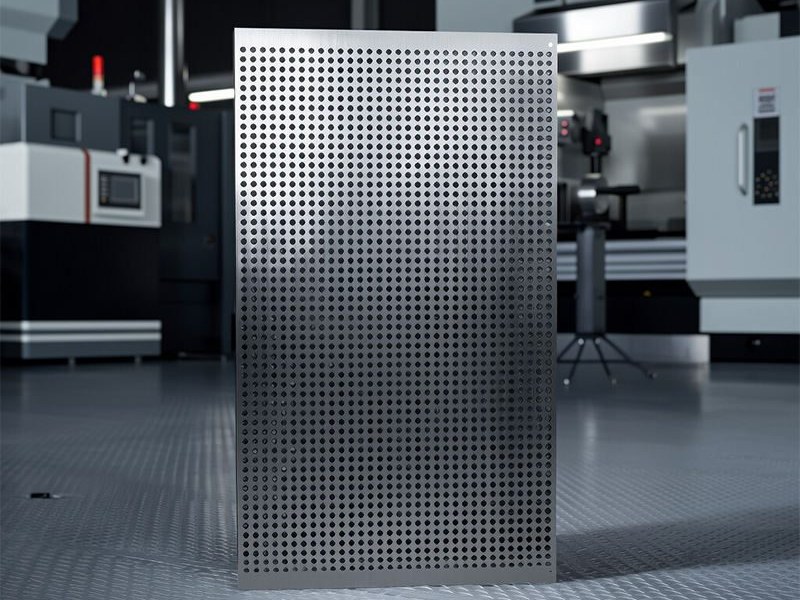
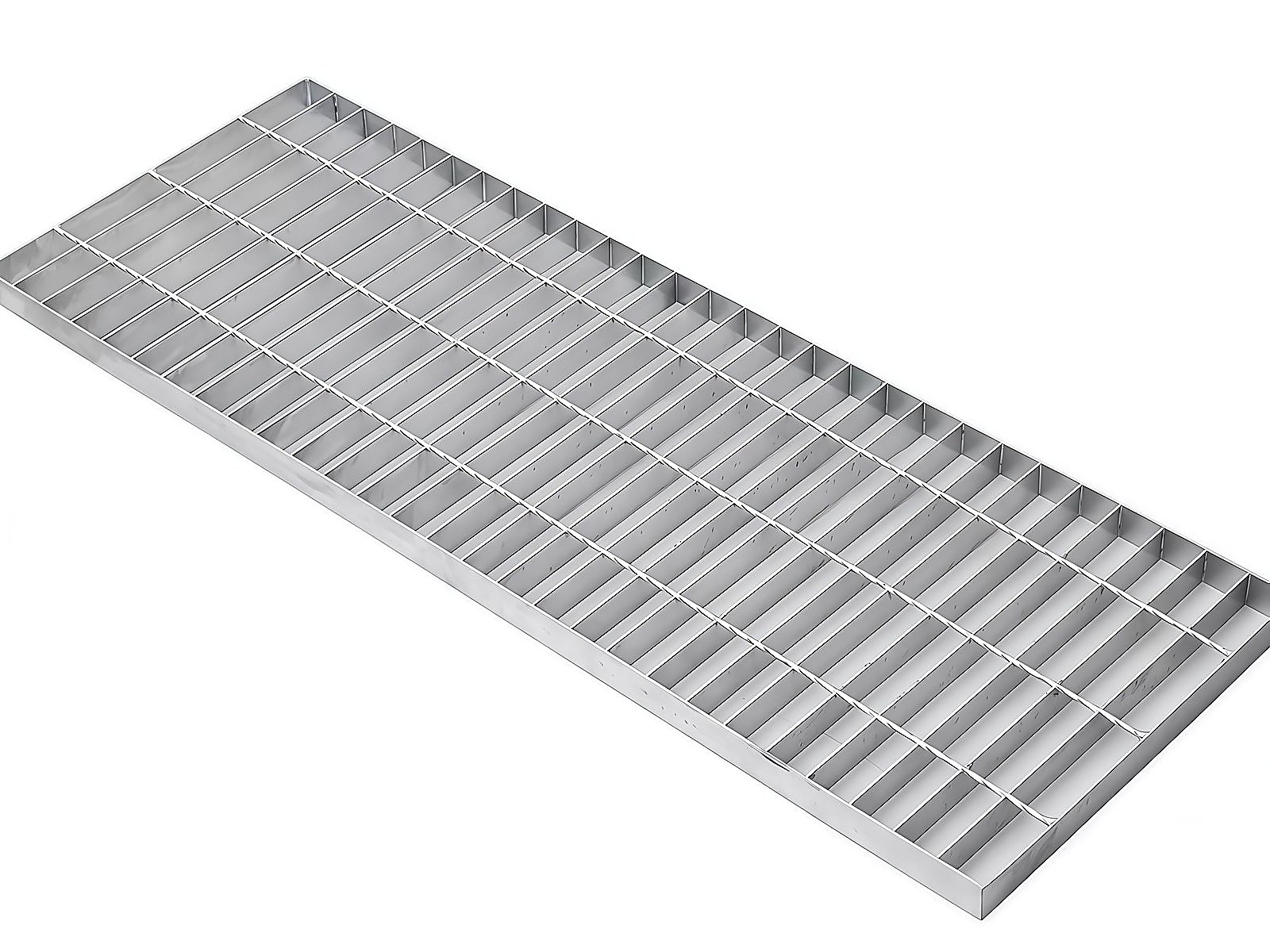
Crimped Wire Mesh product photo

Heavy-duty screening

Crimped Wire Mesh & Dense Woven Wire Mesh

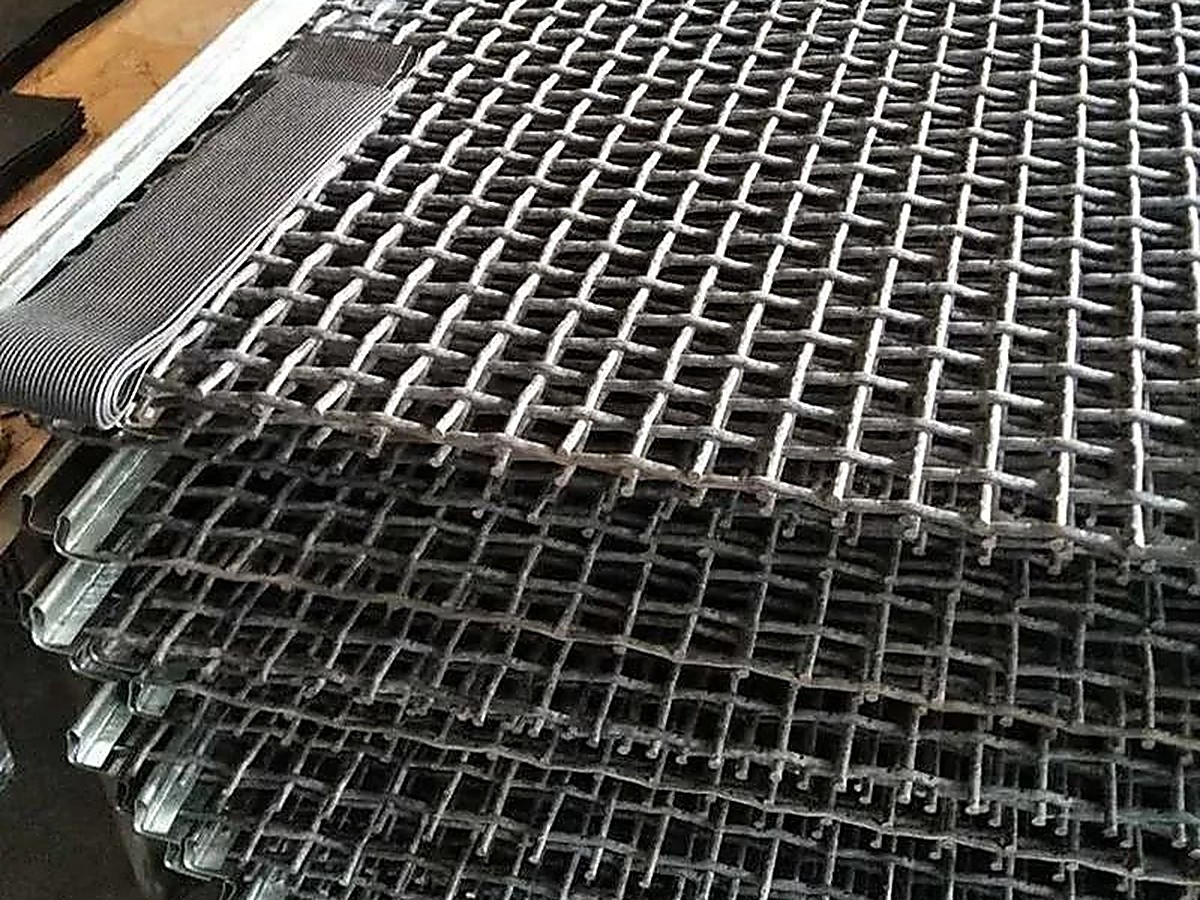
Woven wire mesh divides into two families by wire and aperture. Pre-crimped mesh uses heavier wires locked in place before weaving, which keeps the aperture stable under load on screening and grading duty. Dense woven mesh uses fine wires at high mesh counts, including Dutch weaves, for filtration and separation. Both families are woven to order in galvanized or stainless steel on looms in Anping, China, and the crimp style — plain (double) crimp, intermediate crimp or lock crimp — is matched to the vibration and load on the screen.

›Aperture: 2–100 mm
›Wire diameter: 1.0–8.0 mm
›Material: mild steel, galvanized or stainless steel
›Crimp type: plain, intermediate or lock crimp
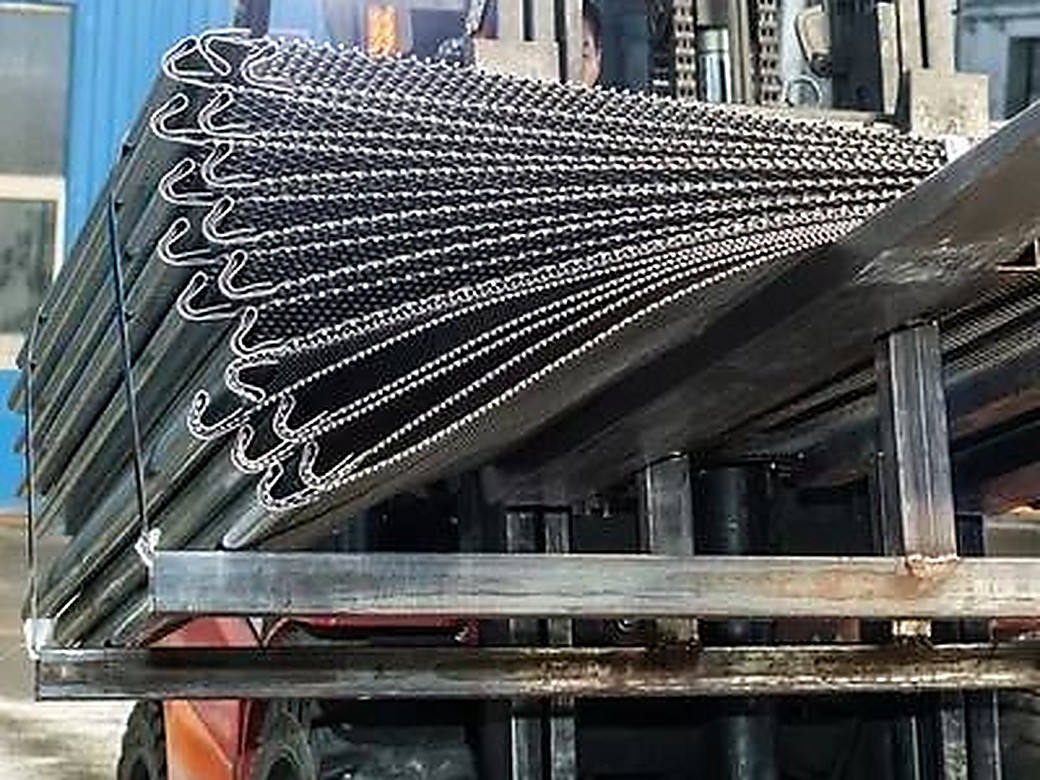
›Edge treatment: C-hook, V-hook (quarry standard) or trimmed
›Panel size: 1,000×2,000 mm or custom

Also known as: Pre-crimped mesh · Lock crimp mesh · Double crimped wire mesh · Intercrimp mesh · Vibrating screen mesh · Quarry screen · Sizing mesh

Two Mesh Families

Both families are woven on the same looms and quoted together; the choice is set by the particle size, the load and the corrosion environment.

Crimped Wire Mesh

Crimped Wire Mesh / Heavy Duty Screen

Pre-crimped heavy screen mesh for quarry, mining and grading.

Also known as: Pre-crimped mesh · Lock crimp woven wire mesh · Double crimp mesh · Vibrating screen mesh · Quarry screen · Sizing mesh
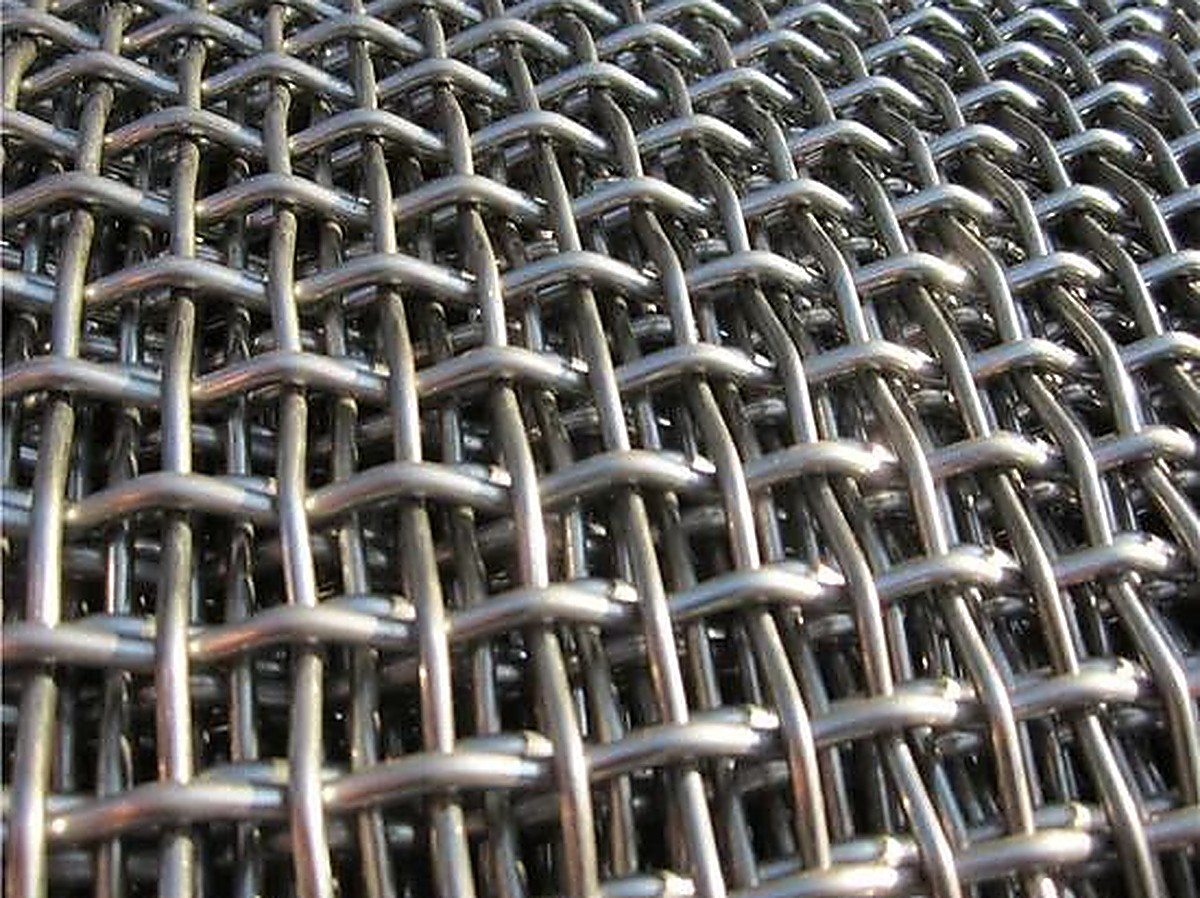
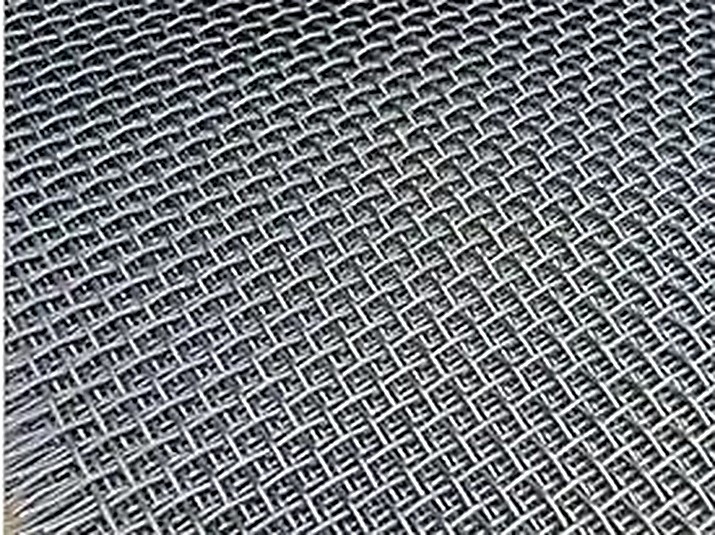
Each wire is crimped before weaving, so the wires lock together and the openings stay accurate under load. That rigidity is why pre-crimped screens are used for sizing and screening where the aperture must not move. The crimp style sets the performance: plain crimp (also called double crimp) for static screens, intermediate or intercrimp for large apertures on light wire, and lock crimp — a notch pressed into each crossing so the wires mechanically interlock — for vibrating decks where the aperture must not creep.

Specification

Aperture 2–100 mm square or rectangular openings
Wire diameter 1.0–8.0 mm depending on the aperture and the load
Material Mild steel, galvanized steel, or stainless steel 304 / 316
Crimp type Plain crimp, intermediate crimp or lock crimp
Edge treatment C-hook, V-hook (quarry standard), or trimmed square edges
Panel size 1,000×2,000 mm standard; cut to the screen deck dimensions
Surface Mill finish, galvanized or polished
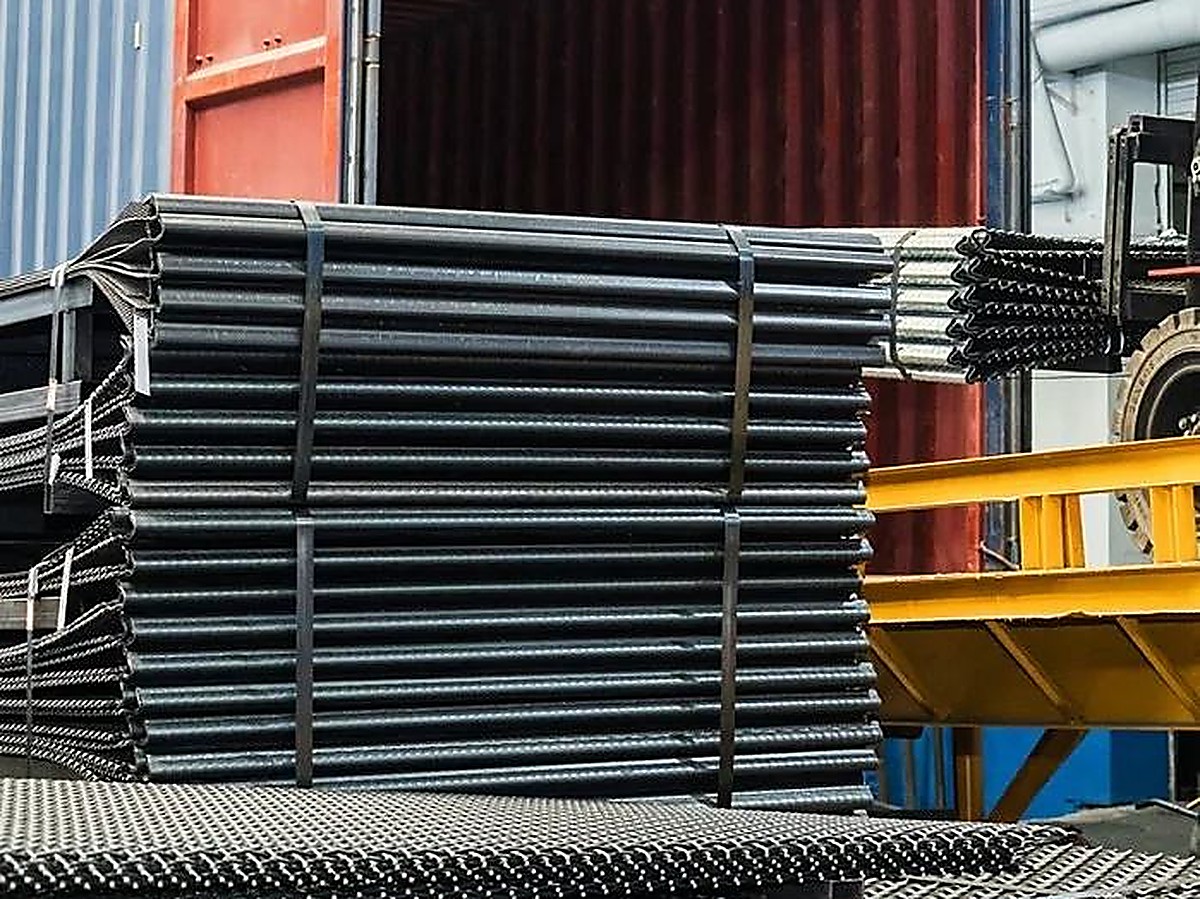
Packing Pallets with moisture protection between panels

Product Photos

Crimped Wire Mesh detail

Materials & Coating Options

Mild steel General screening where corrosion is not a concern
Galvanized steel Outdoor screening and wet process lines
Stainless steel 304 / 316 Abrasive, corrosive or hygienic applications
Edge hooks C-hook, V-hook or trimmed edge matched to the screen deck

Typical Applications

Quarry and aggregate screening

Typical configuration

Lock crimp, V-hook edge, 5–8 mm wire

Heavy abrasion duty on vibrating decks.

Mining and mineral sizing

Typical configuration

Lock or intermediate crimp, stainless or galvanized

Aperture held precisely under continuous vibration.

Water and air filtration

Typical configuration

Plain or twill weave, 50–300 mesh

Removal of particulate from process streams.

Chemical and petrochemical processing

Typical configuration

SS316L, Dutch weave

Corrosion resistance with fine retention.

Frequently Asked Questions

What does "pre-crimped" mean?

The wires are pressed into a wave shape before weaving rather than being bent during weaving. The crimps interlock, so the crossings cannot slide and the aperture stays accurate even when the screen vibrates or carries a heavy load.

What does the mesh count mean?

Mesh count is the number of openings per linear inch of mesh. A 200 mesh screen has 200 openings per inch, giving a finer retention than a 100 mesh screen. Wire diameter affects the actual opening size at the same mesh count.

Can crimped and filter mesh be combined in one order?

Yes. Both are woven to order on the same equipment and are routinely combined for screening-and-filtration projects, with the mesh counts and wire grades listed per item on the order.

Can panels be made to my dimensions?

Yes. Screens are cut and hooked to the deck size. Provide the deck dimensions, the aperture, the wire diameter and the hook type so the panels fit without on-site modification.

What is lock crimp wire mesh?

In lock crimp mesh, a notch is pressed into each wire at every intersection so the crossing wires mechanically interlock rather than simply rest on each other. The aperture therefore cannot shift under vibration or heavy bed load, which is why lock crimp is the standard choice for quarry and mining vibrating screens, usually with V-hook edges.

What is the difference between double crimp and lock crimp?

Double crimp (plain crimp) bends both directions of wire into a simple wave before weaving; the crossings are held by friction and the wrap of the weave. Lock crimp adds a positive notch at each crossing, so the wires are mechanically locked and the opening stays accurate under continuous vibration. Double crimp suits static and light-duty screens; lock crimp suits vibrating and heavy-load decks.

Related Products

Need woven mesh for screening or filtration?

Send the aperture or mesh count, wire grade, roll or panel dimensions and the working environment. We will confirm the weave and quote.

Send Your Requirement